Valuable plastic is still ending up in mixed waste. What if we recovered more of it?
An overlooked opportunity, our new white paper, looks at what we can do with the material we’re missing, and how mixed waste sorting, plastic grading and recycling can bring more of it back into use. Download the white paper & the companion case study collection


There’s more to recover
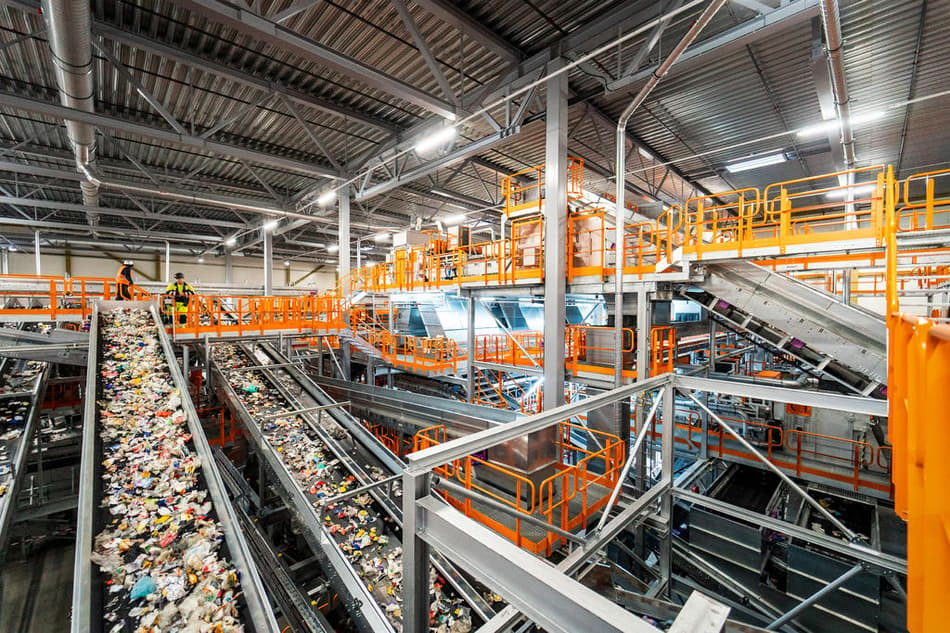
Mixed waste isn’t necessarily the end of the line. It can still contain valuable plastics and other recyclable materials.
Mixed waste sorting gives us another chance to capture them. And somewhere for it to go.
Grading separates recovered plastics into useful fractions, ready for the recycling routes that can turn them into feedstock for new applications.
Inside the paper
- Where we’re still losing valuable material
A closer look at the recyclable plastic that remains in mixed waste.
- What happens after recovery
How grading and recycling create routes back into productive use.
- How the pieces fit together
The different roles of separate collection, deposit return and mixed waste sorting.
- What makes it work in practice
Policy, producer responsibility, infrastructure, investment, markets and process intelligence.
- What we can learn from systems already operating
Practical experience for countries building or modernizing resource systems today.
We know much more than we used to
Many of today’s established waste systems were built piece by piece over decades. Countries investing now don’t have to start from the same place.
There is already experience to draw on, from recovery and grading to recycling, policy and funding. That gives newer systems the chance to plan these connections earlier and build with future change in mind. There is no single model to copy, but there is plenty to learn from.
Get your free copy!
If we want to take circularity seriously, we need to take the right steps. Don't miss this publication.
Downloads

White paper: Extended Producer Responsibility

White paper: Unlocking circularity

White paper Holistic Resource Systems
