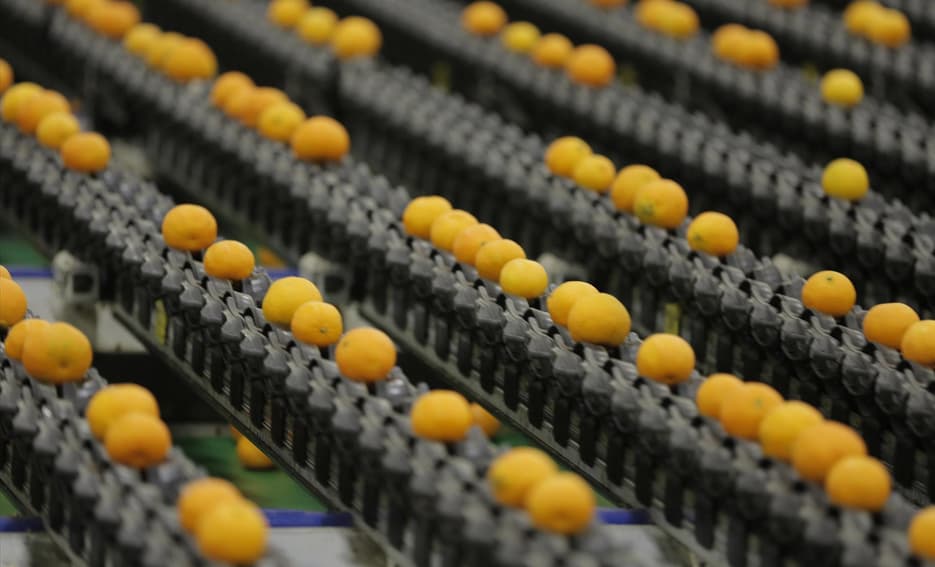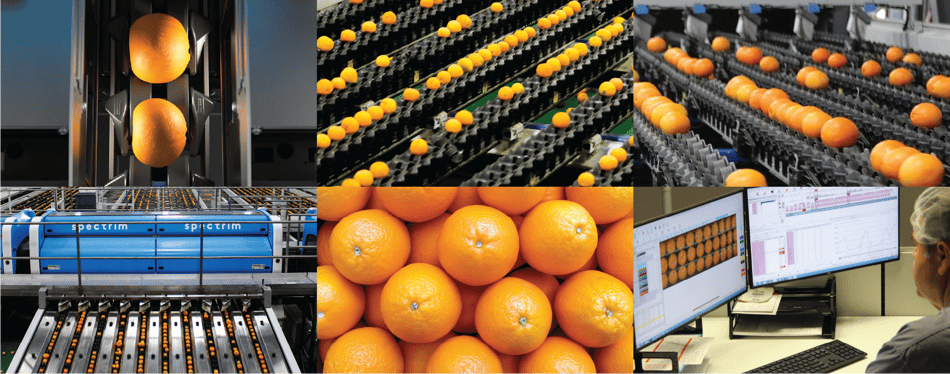
TOMRA Food Defect Library
Orange Defects and Blemishes
About the TOMRA Orange Defects and Blemishes Glossary
The orange common defects and blemishes glossary was developed by the TOMRA Food Applications Engineering, Research and Development, and Product Management teams. This information was developed with a focus on defects and blemishes observed globally with demarcation noted on regional variations of defects.
Learn more about TOMRA Food's vision and sorting systems for oranges defects and blemishes.
Orange Defects & Blemishes on this page:
The orange defects and blemishes currently included on this page are:
Defects:
- Oleo
- Split
- Pull
- Puncture
- Mechanical
- Snail
- Clipper damage
- Rot
- Creasing
- Chimera
- Katydid
- Sunburn
- Leaf
- Pliable
- Rind breadkdown
- Longstem
- Ice mark
- Density
- Granulation
- Peel miner
- Scale
- Chemical
- Sooty mould
- Water spot
Blemishes:
- Thrip
- Scarring
- Pitting
Texture
- Creasing
- Ridging
- Coarse
Orange Defects
Rot
Other Names: Clear rot: Podrido, Vrot, Marcio
Subcategory: Clear, Brown, Black, Sour, End check, Alternaria, Other
Type: Defect
Cause & Disease Development: Clear rot is caused by Penicillium digitatum or Penicillium italicum. Infection usually occurs after an injury, such as a puncture, though healthy fruit may also be infected. Brown rot is caused by Phytophthora helbemallis or Phytophthora citrophthora. Citrus black rot is caused by distinct lineages of Alternaria alternata. Sour rot is caused by Geotrichum citri-aurantii fungi and appears like clear rot but has a sour smell. End check is cracking at the blossom or navel. Alternaria infections occur during fruit development.
More Information: Rot can occur in the field, during post‑harvest, or in storage.
Content approved by: Dr. Chris Johnston, Manager, Applications Engineering, TOMRA Food
Last Updated: 12 August 2025
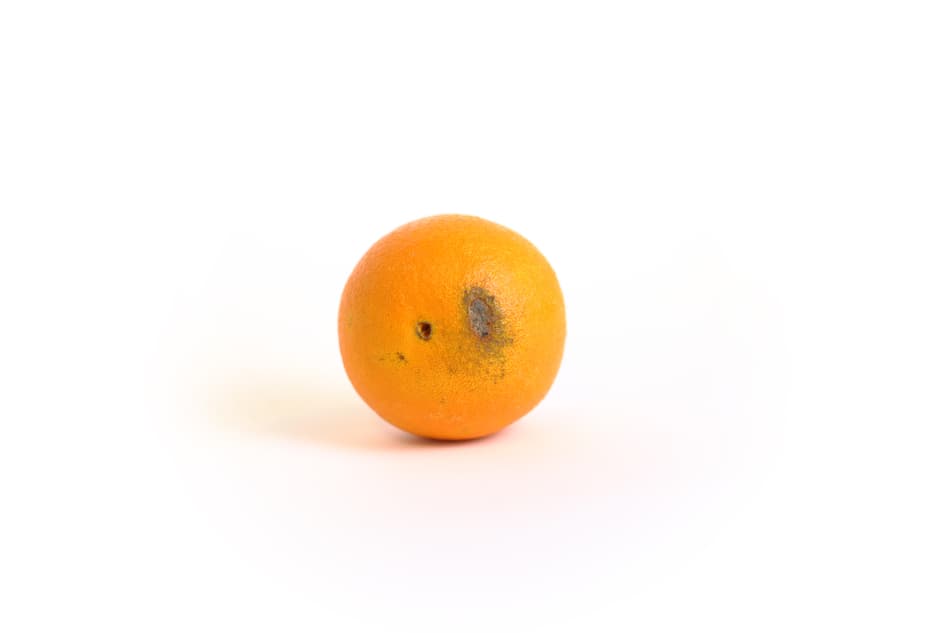
Rot and mould clearly visible on the orange
Sunburn
Other Names: Golpe de sol, Sonbrand, Bruciato
Type: Defect
Cause & Disease Development: Occurs when one side of the fruit suddenly changes temperature, often due to heating effects of picking adjacent fruit.
Content Approved by: Dr. Chris Johnston
Last Updated:12 August 2025
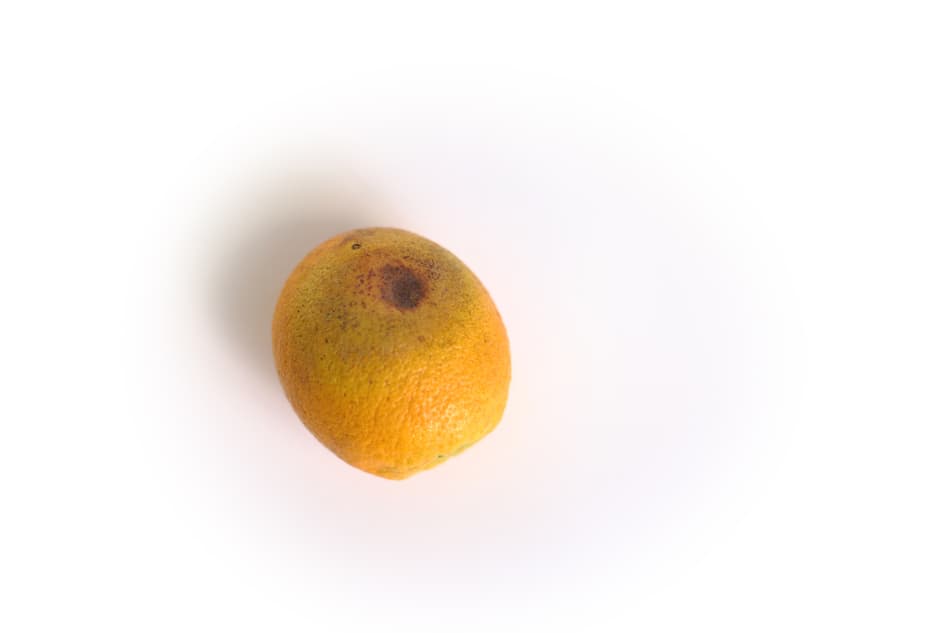
An example of severe sunburn
Long Stem
Other Names: Palo largo, Lang stingel, Gambo lungo
Type: Shape
Cause & Disease Development: Caused when the stem is not clipped correctly during harvest.
Approved by: Dr. Chris Johnston
Last Updated:12 August 2025
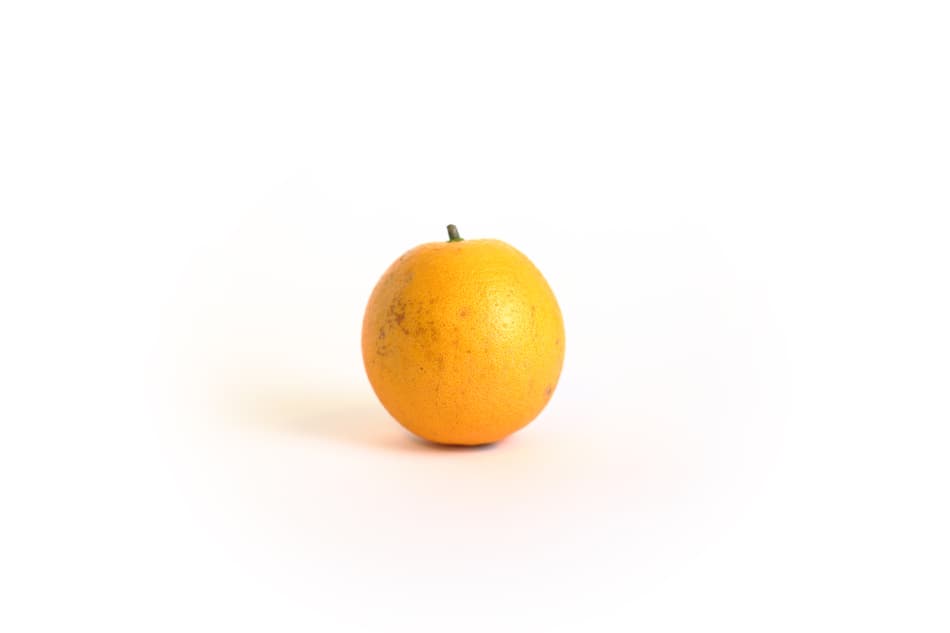
A clearly defined long stem on an orange
Split
Other Names: Dano mecanico, Herida, Bars, Kraak, Taaglio, Spacco
Type: Defect
Symptoms and Signs: Skin damage, usually resulting from mechanical damage in harvest, transport, post‑harvest, or storage.
Approved by: Dr. Chris Johnston
Last Updated: 12 August 2025
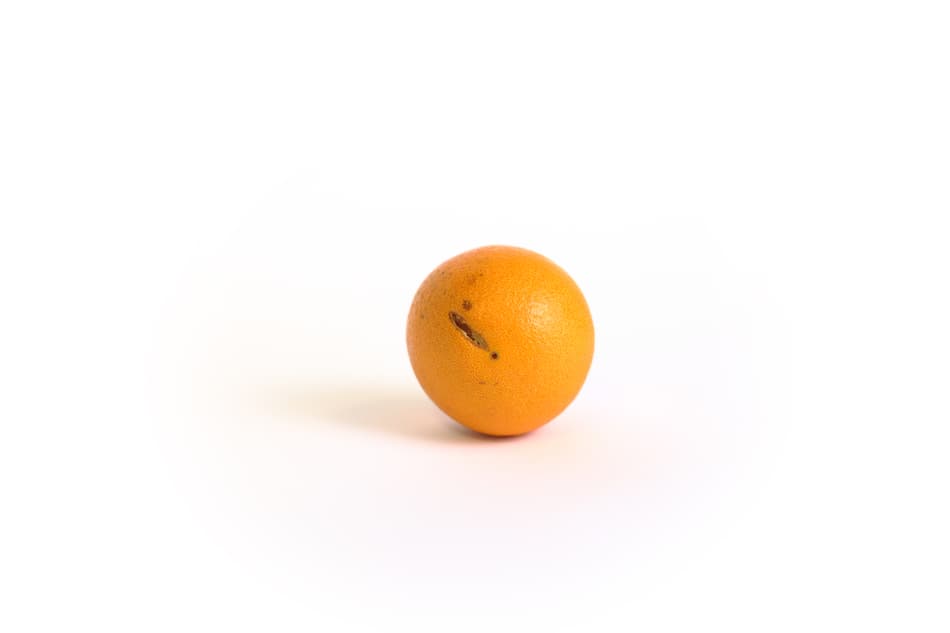
A severe split in the rind of the orange
Scale
Other Names: Dopluis, Cocciniglia
Type: Defect
Symptoms and Signs: Insect damage.
Approved by: Dr. Chris Johnston
Last Updated: 2 September 2024
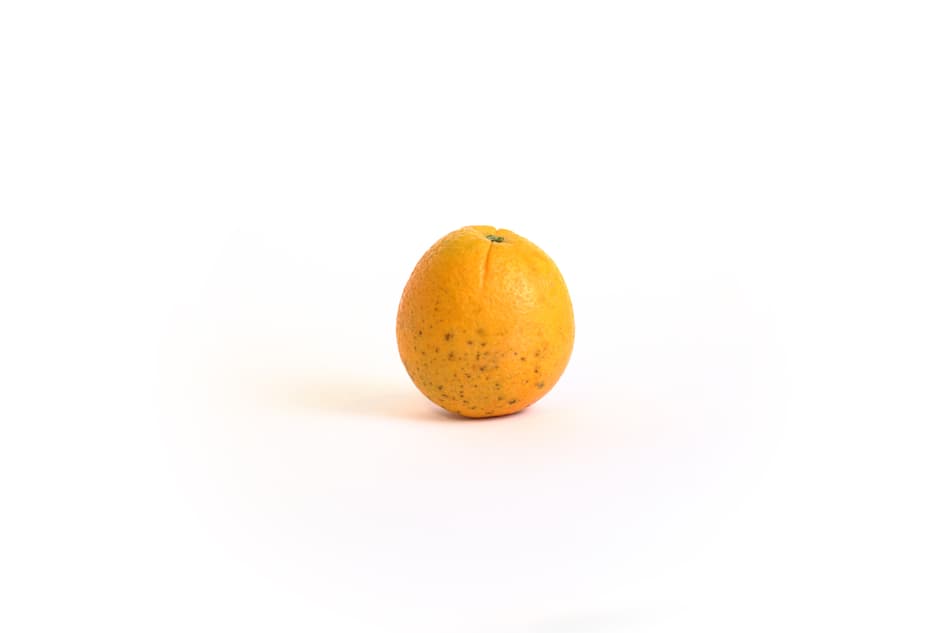
A severe example scale visible on the orange rind
Oleo
Other Names: Oil spot, Olio, Oleocellosis
Type: Defect
Symptoms and Signs: Caused when pressure during harvest damages the oil sacks, often when fruit is wet; oleo appears after storage and may develop into rot.
Approved by: Dr. Chris Johnston
Last Updated: 12 August 2025
Rind Breakdown
Other Names: RBD
Type: Defect
Symptoms and Signs: Albedo breaks down, juice leaks from vesicles into albedo or flavedo, damaging cells and leading to decay. Causes include blossom-end (stylar end) clearing or wet bottom.
Approved by: Dr. Chris Johnston
Last Updated: 12 August 2025
Pull
|
Defect Name |
Pull |
|
Other Names |
Stem pull Desgarro Uit stingle Gambo tagliato |
|
Subcategory |
|
|
Type |
Defect |
|
Symptoms and Signs |
|
|
Cause & Disease Development |
Pulls occur when the fruit isn’t correctly clipped from the tree. Pulling an orange from the tree will cause the skin to break open. |
|
More Information |
|
|
Approved by |
Dr. Chris Johnston, Manager, Applications Engineering, TOMRA Food |
|
Last Updated |
2 September 2024 |
Chimera
|
Defect Name |
Chimera |
|
Other Names |
|
|
Subcategory |
|
|
Type |
Defect |
|
Symptoms and Signs |
|
|
Cause & Disease Development |
Chimera is caused by a mutation from the root stock mixing with grafting. |
|
More Information |
An orange with chimera will never ripen. |
|
Approved by |
Dr. Chris Johnston, Manager, Applications Engineering, TOMRA Food |
|
Last Updated |
2 September 2024 |
Mechanical
|
Defect Name |
Mechanical |
|
Other Names |
|
|
Subcategory |
|
|
Type |
Defect |
|
Symptoms and Signs |
|
|
Cause & Disease Development |
Mechanical damage to the skin occurs when the long stems from another fruit puncture the orange’s skin. |
|
More Information |
Mechanical defects are the same as a split. |
|
Approved by |
Dr. Chris Johnston, Manager, Applications Engineering, TOMRA Food |
|
Last Updated |
2 September 2024 |
Snail
|
Defect Name |
Snail |
|
Other Names |
Snail bite |
|
Subcategory |
|
|
Type |
Defect |
|
Symptoms and Signs |
|
|
Cause & Disease Development |
The damage is caused by the skin of snails while the fruit is still in the field. |
|
More Information |
|
|
Approved by |
Dr. Chris Johnston, Manager, Applications Engineering, TOMRA Food |
|
Last Updated |
2 September 2024 |
Puncture
|
Defect Name |
Puncture |
|
Other Names |
Piquete Puntura Fetola |
|
Subcategory |
|
|
Type |
Defect |
|
Symptoms and Signs |
|
|
Cause & Disease Development |
Punctures in the skin occur when the orange is pulled form the tree rather than being correctly clipped from the tree. |
|
More Information |
|
|
Approved by |
Dr. Chris Johnston, Manager, Applications Engineering, TOMRA Food |
|
Last Updated |
2 September 2024 |
Leaf
|
Defect Name |
Leaf |
|
Other Names |
Hoja Blaar Foglia |
|
Subcategory |
|
|
Type |
Defect |
|
Symptoms and Signs |
|
|
Cause & Disease Development |
This occurs when leaves are not removed during harvest. |
|
More Information |
|
|
Approved by |
Dr. Chris Johnston, Manager, Applications Engineering, TOMRA Food |
|
Last Updated |
2 September 2024 |
Pliable
|
Defect Name |
Pliable |
|
Other Names |
Soft |
|
Subcategory |
|
|
Type |
Defect |
|
Symptoms and Signs |
Pliable or soft fruit is soft to the touch and usually misshapen or split when packed in the bins. However, it is not puffy. |
|
Cause & Disease Development |
This defect occurs when the albedo weakens, creating a weak internal structure. Picking and handling as well as fruit maturity play a role in the susceptibility of fruit to this kind of damage. |
|
More Information |
This defect is uncommon in oranges. |
|
Approved by |
Dr. Chris Johnston, Manager, Applications Engineering, TOMRA Food |
Clipper Damage
|
Defect Name |
Clipper damage |
|
Other Names |
Clipper cut Herida tijera Besering Forbici Taglio
|
|
Subcategory |
|
|
Type |
Defect |
|
Symptoms and Signs |
|
|
Cause & Disease Development |
Clipper damage occurs when the flavedo is cut. This occurs during harvest if the picker clips the stem too close to the fruit. |
|
More Information |
|
|
Approved by |
Dr. Chris Johnston, Manager, Applications Engineering, TOMRA Food |
|
Last Updated |
2 September 2024 |
Katydid
|
Defect Name |
Katydid |
|
Other Names |
Bolwurm |
|
Subcategory |
|
|
Type |
Defect |
|
Symptoms and Signs |
|
|
Cause & Disease Development |
This defect is caused by insect damage from the family Tettigoniidae, such as long horn grasshoppers. |
|
More Information |
Katydid damage happens in the field. |
|
Approved by |
Dr. Chris Johnston, Manager, Applications Engineering, TOMRA Food |
|
Last Updated |
2 September 2024 |
Ice Mark
|
Defect |
Ice mark |
|
Other Names |
Chiller injury Oleo Macchie |
|
Subcategory |
|
|
Type |
Defect |
|
Symptoms and Signs |
|
|
Cause & Disease Development |
Ice mark occurs as a result of damage to the oil sacks in the peel. This is the result of the chiller being set at too low a temperature. |
|
More Information |
Ice mark occurs during post-harvest and storage. |
|
Approved by |
Dr. Chris Johnston, Manager, Applications Engineering, TOMRA Food |
|
Last Updated |
2 September 2024 |
Density
|
Defect |
Density |
|
Other Names |
Puff Frost damage
|
|
Subcategory |
|
|
Type |
Defect - Internal |
|
Symptoms and Signs |
|
|
Cause & Disease Development |
This defect occurs as a result of frost damage. Frost damage in the field can cause the juice vesicles to expand and then burst. If this happens, the vesicles then dry out. |
|
More Information |
|
|
Approved by |
Dr. Chris Johnston, Manager, Applications Engineering, TOMRA Food |
|
Last Updated |
2 September 2024 |
Granulation
|
Defect |
Granulation |
|
Other Names |
Granulasie
|
|
Subcategory |
|
|
Type |
Defect - Internal |
|
Symptoms and Signs |
|
|
Cause & Disease Development |
Granulation is a less severe case of frost damage. |
|
More Information |
|
|
Approved by |
Dr. Chris Johnston, Manager, Applications Engineering, TOMRA Food |
|
Last Updated |
2 September 2024 |
Peel Miner
|
Defect |
Peel miner |
|
Other Names |
|
|
Subcategory |
|
|
Type |
Defect |
|
Symptoms and Signs |
|
|
Cause & Disease Development |
Peel miner is another type of insect damage. |
|
More Information |
|
|
Approved by |
Dr. Chris Johnston, Manager, Applications Engineering, TOMRA Food |
|
Last Updated |
2 September 2024 |
Water Spot
|
Defect |
Water spot |
|
Other Names |
Water damage Macchia d’acqua
|
|
Subcategory |
|
|
Type |
Defect |
|
Symptoms and Signs |
|
|
Cause & Disease Development |
Water spot is caused by water condensing of the fruit before harvest. |
|
More Information |
|
|
Approved by |
Dr. Chris Johnston, Manager, Applications Engineering, TOMRA Food |
|
Last Updated |
2 September 2024 |
Chemical
|
Defect |
Chemical |
|
Other Names |
|
|
Subcategory |
|
|
Type |
Defect |
|
Symptoms and Signs |
|
|
Cause & Disease Development |
Is caused by the over application of chemical sprays, often copper. |
|
More Information |
|
|
Approved by |
Dr. Chris Johnston, Manager, Applications Engineering, TOMRA Food |
|
Last Updated |
2 September 2024 |
Sooty Mould
|
Defect |
Sooty mould |
|
Other Names |
|
|
Subcategory |
Fumaggine |
|
Type |
Defect |
|
Symptoms and Signs |
|
|
Cause & Disease Development |
Sooty mould is caused by aphids creating wet, sweet areas. It can also be caused by warm, wet weather encouraging growth of mould on the fruit. |
|
More Information |
Sooty mould is sometimes confused with dark scarring or scale.
|
|
Approved by |
Dr. Chris Johnston, Manager, Applications Engineering, TOMRA Food |
|
Last Updated |
2 September 2024 |
Orange Texture
Creasing
|
Defect Name |
Creasing |
|
Other Names |
Puff and crease Albedo Kraakskil Sgonfio Grinze |
|
Subcategory |
|
|
Type |
Texture |
|
Symptoms and Signs |
|
|
Cause & Disease Development |
The exact cause of creasing is unclear. However, it is believed to be related to both climate and the application of plate growth regulators. For example, rain or watering at the wrong stage of the growth cycle can lead to the breakdown of the albedo. |
|
More Information |
|
|
Approved by |
Dr. Chris Johnston, Manager, Applications Engineering, TOMRA Food |
|
Last Updated |
2 September 2024 |
Ridging
|
Defect Name |
Ridging |
|
Other Names |
Ribbing Cresta |
|
Subcategory |
|
|
Type |
Texture |
|
Symptoms and Signs |
|
|
Cause & Disease Development |
|
|
More Information |
Ridging can sometimes be confused with creasing. |
|
Approved by |
Dr. Chris Johnston, Manager, Applications Engineering, TOMRA Food |
|
Last Updated |
2 September 2024 |
Coarse
|
Defect |
Coarse |
|
Other Names |
Coarse texture Rugoso Grof Growweskil Grinza Grinze
|
|
Subcategory |
|
|
Type |
Texture |
|
Symptoms and Signs |
|
|
Cause & Disease Development |
|
|
More Information |
|
|
Approved by |
Dr. Chris Johnston, Manager, Applications Engineering, TOMRA Food |
|
Last Updated |
2 September 2024 |
Orange Blemishes
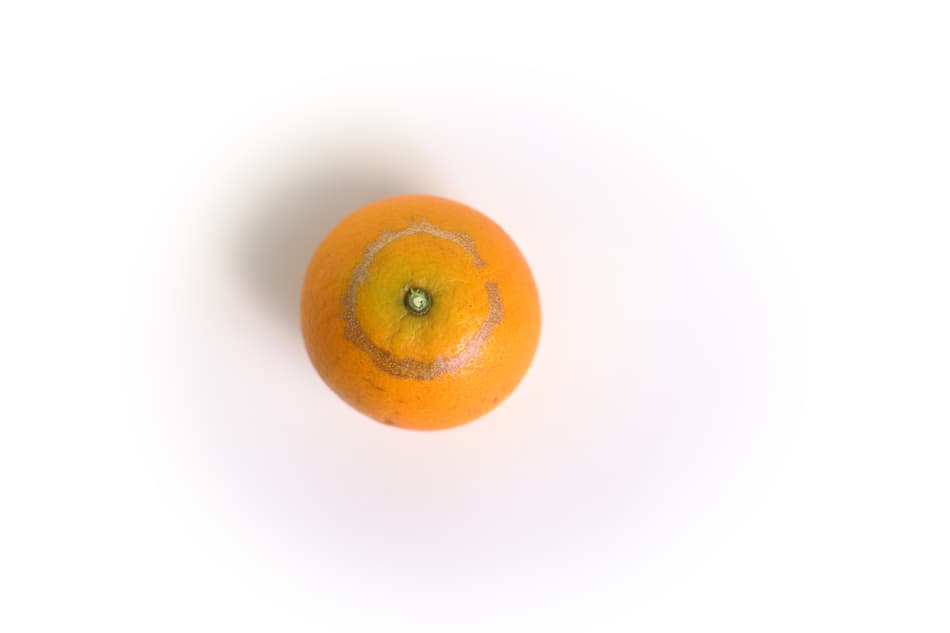
Scarring
Subcategory: Light scar (Wind scar, Russet clara, Ligte merke) / Dark scar (Wind damage, Russet oscura, Windemerke, Ragno ross)
Type: Blemish
Symptoms and Signs: Caused by friction from fruit or branches, usually from wind.
Approved by: Dr. Chris Johnston
Last Updated: 2 September 2024
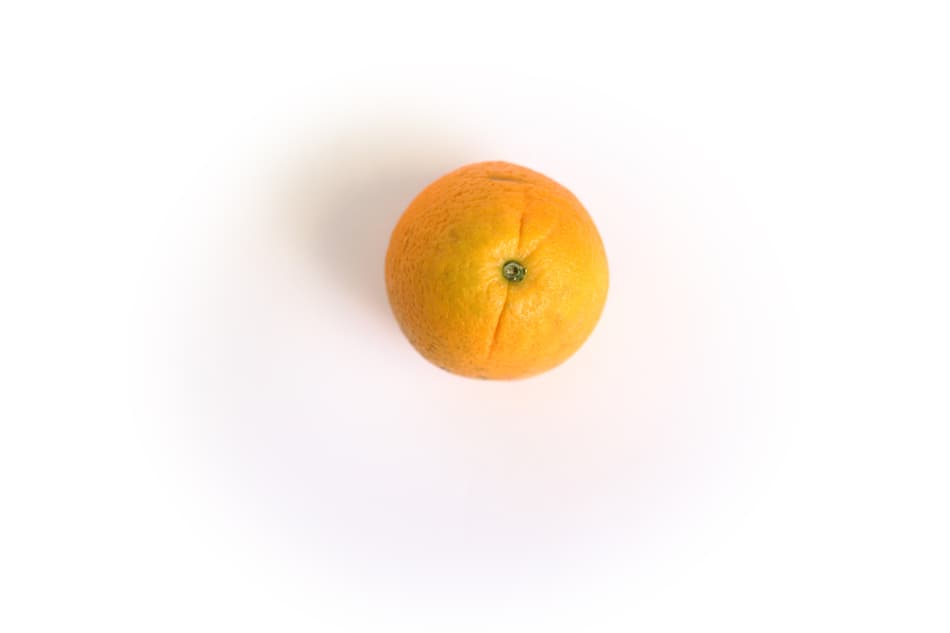
Light scarring visible on the orange