
Incentivizing beverage container returns
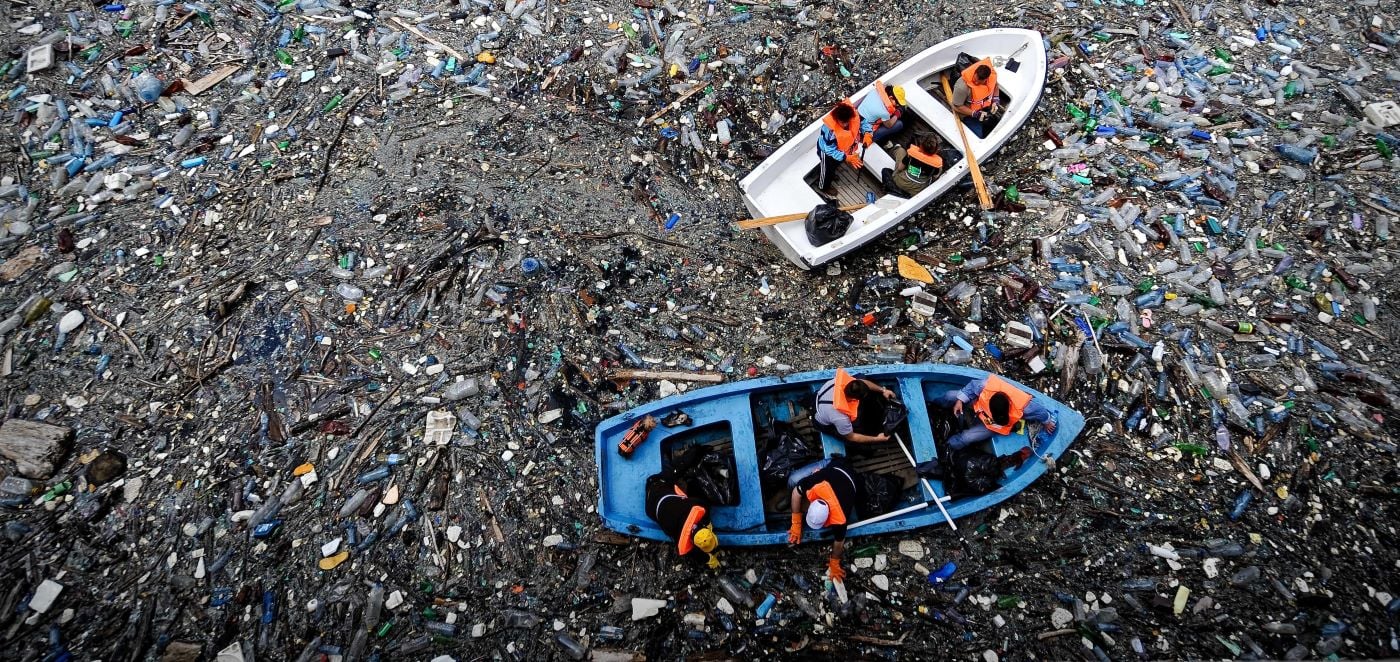
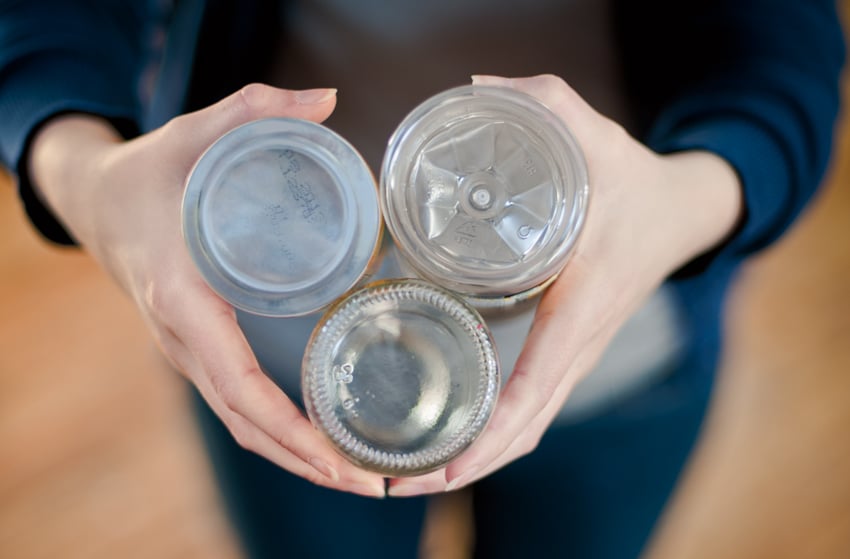
A key aspect motivating high collection rates in a DRS is a financial incentive to return drink containers for recycling. This is what separates deposit systems from other programs: the deposit encourages consumers to treat packaging as a resource, rather than trash. Home recycling bins are convenient but do not address on-the-go consumption, which one study found is 30-50% of US beverage consumption.¹ On-the-go consumption can be a key contributor to litter.
The European average collection rate for PET beverage containers in a curbside system is 47%, versus 94% in DRSs.² In the US, on average 27% of non-deposit containers are collected for recycling vs 72% of deposit containers.³ As regions (especially European Union member states) pursue ambitious recycling, collection and recycled-content targets in coming years, DRSs have proven to be a reliable way to achieve high performance.
The European average collection rate for PET beverage containers in a curbside system is 47%, versus 94% in DRSs.² In the US, on average 27% of non-deposit containers are collected for recycling vs 72% of deposit containers.³ As regions (especially European Union member states) pursue ambitious recycling, collection and recycled-content targets in coming years, DRSs have proven to be a reliable way to achieve high performance.